TryHackMe: Advent Of Cyber 2025 Day 20 (Race Conditions - Toy to The World)

Learn how to exploit a race condition attack to oversell the limited-edition SleighToy.
The Story

Introduction
The Best Festival Company (TBFC) has launched its limited-edition SleighToy, with only ten pieces available at midnight. Within seconds, thousands rushed to buy one, but something strange happened. More than ten lucky customers received confirmation emails stating that their orders were successful. Confusion spread fast. How could everyone have bought the “last” toy? McSkidy was called in to investigate.
She quickly noticed that multiple buyers purchased at the exact moment, slipping through the system’s timing flaw. Sir Carrotbane’s mischievous Bandit Bunnies had found a way to exploit this chaos, flooding the checkout with rapid clicks. By morning, TBFC faced angry shoppers, missing stock, and a mystery that revealed just how dangerous a few milliseconds could be during the holiday rush.
Race Condition
A race condition happens when two or more actions occur at the same time, and the system’s outcome depends on the order in which they finish. In web applications, this often happens when multiple users or automated requests simultaneously access or modify shared resources, such as inventory or account balances. If proper synchronisation isn’t in place, this can lead to unexpected results, such as duplicate transactions, oversold items, or unauthorised data changes.
Types of Race Conditions
Generally, race condition attacks can be divided into three categories:
Time-of-Check to Time-of-Use (TOCTOU): A TOCTOU race condition happens when a program checks something first and uses it later, but the data changes in between. This means what was true at the time of the check might no longer be true when the action happens. It’s like checking if a toy is in stock, and by the time you click “Buy” someone else has already bought it. For example, two users buy the same “last item” at the same time because the stock was checked before it was updated.
Shared resource: This occurs when multiple users or systems try to change the same data simultaneously without proper control. Since both updates happen together, the final result depends on which one finishes last, creating confusion. Think of two cashiers updating the same inventory spreadsheet at once, and one overwrites the other’s work.
Atomicity violation: An atomic operation should happen all at once, either fully done or not at all. When parts of a process run separately, another request can sneak in between and cause inconsistent results. It’s like paying for an item, but before the system confirms it, someone else changes the price. For example, a payment is recorded, but the order confirmation fails because another request interrupts the process.
Time for Some Action
Now that we understand the basic concepts, let’s take the example of the TBFC shopping cart app and exploit the race condition.
Configuring the Environment
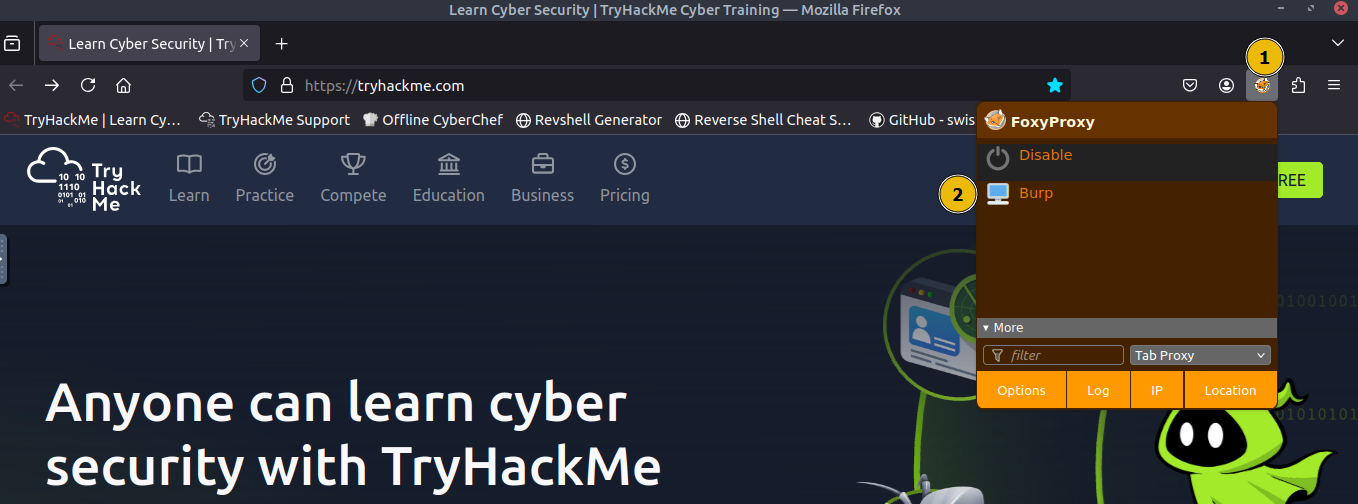
First, we will configure Firefox to route traffic through Burp Suite. On the AttackBox, open Firefox, click the FoxyProxy icon (1) and select the Burp profile (2) so all browser requests are sent to Burp, as shown below:
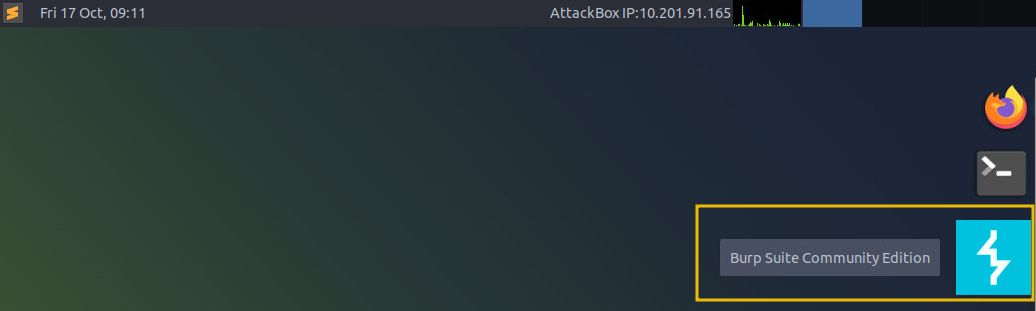
Next, click on the Burp Suite icon on the Desktop to launch the application.
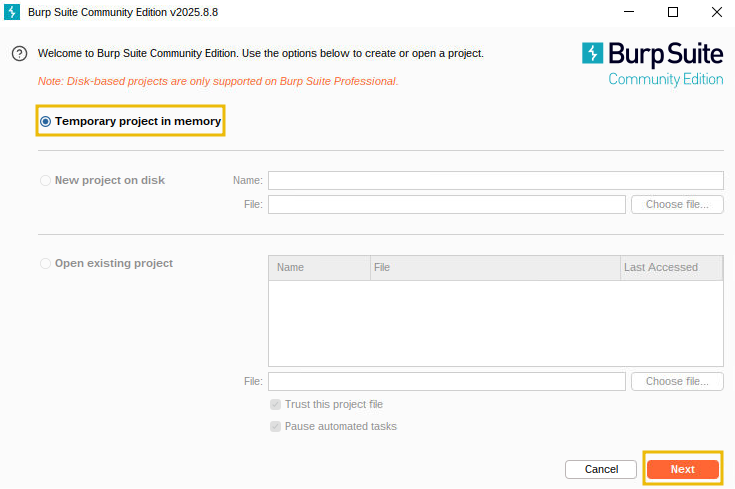
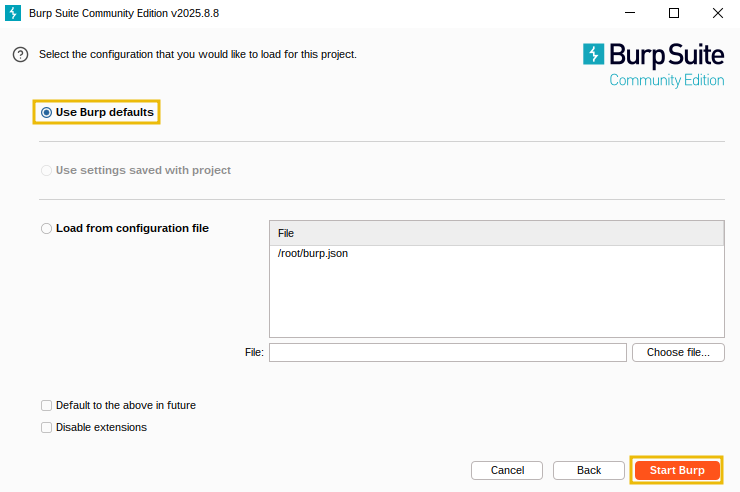
You will see an introductory screen; choose Temporary project in memory and click Next.
On the configuration screen, click Start Burp to start the application.
Once the application is started, you will see the following screen, where we will use the Proxy and Repeater option to exploit the race condition.

Before proceeding, ensure that you turn off “Intercept” in Burp Suite. Open the Proxy tab and check the Intercept sub-tab; If the button says “Intercept on”, click it so it changes to “Intercept off”. This step ensures that Burp Suite no longer holds your browser requests and allows them to pass through normally.
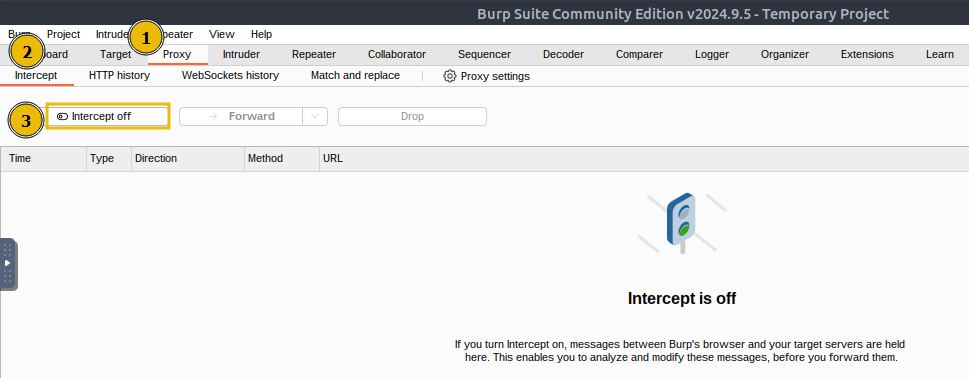
Making a Legitimate Request
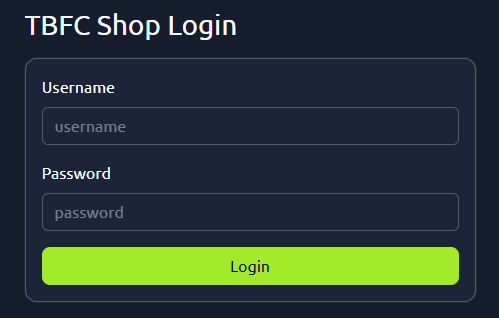
Now that the environment is configured, make a normal request. Open Firefox, visit the webapp at http://MACHINE_IP, and you will see the following login page:
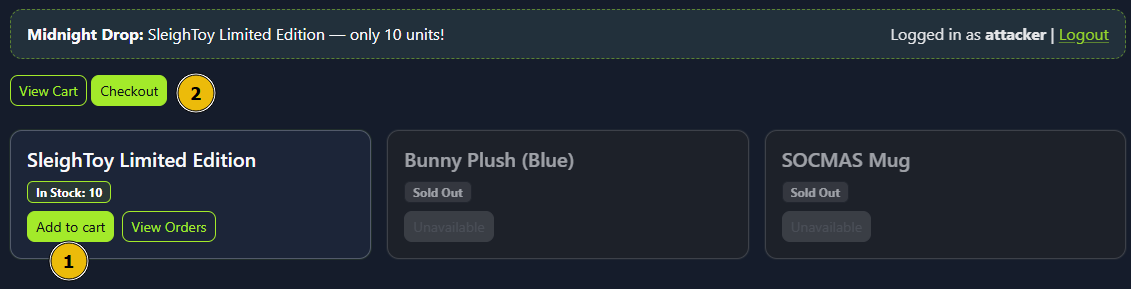
On the site’s login panel, enter the credentials, username: attacker and password: attacker@123. After logging in, you’ll arrive at the main dashboard, which shows the limited-edition SleighToy with only 10 units available.
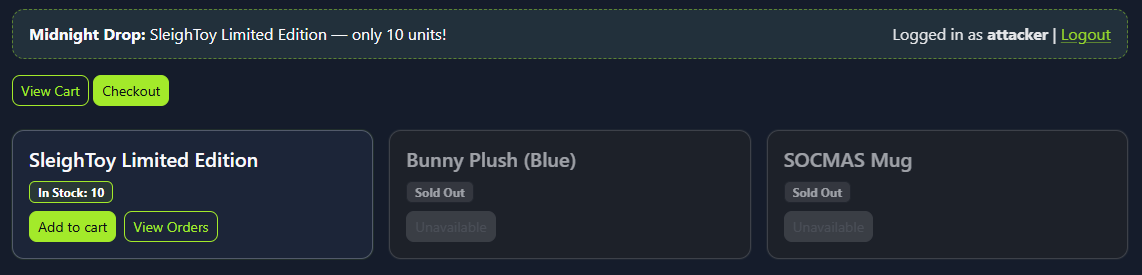
To make a legitimate purchase, click Add to Cart for the SleighToy and then click Checkout to go to the checkout page.
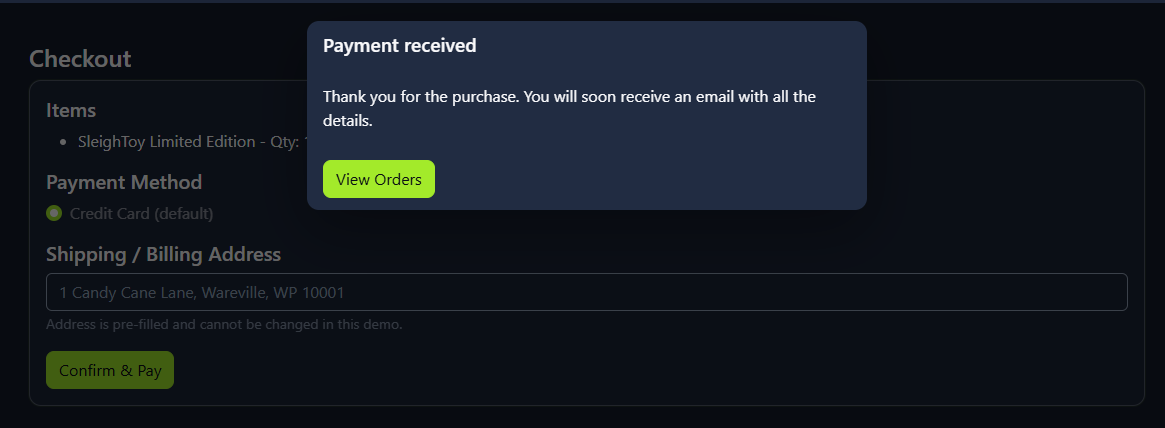
On the checkout page, click Confirm & Pay to complete the purchase. You should see a success message confirming the order, as shown below:
Exploiting the Race Condition
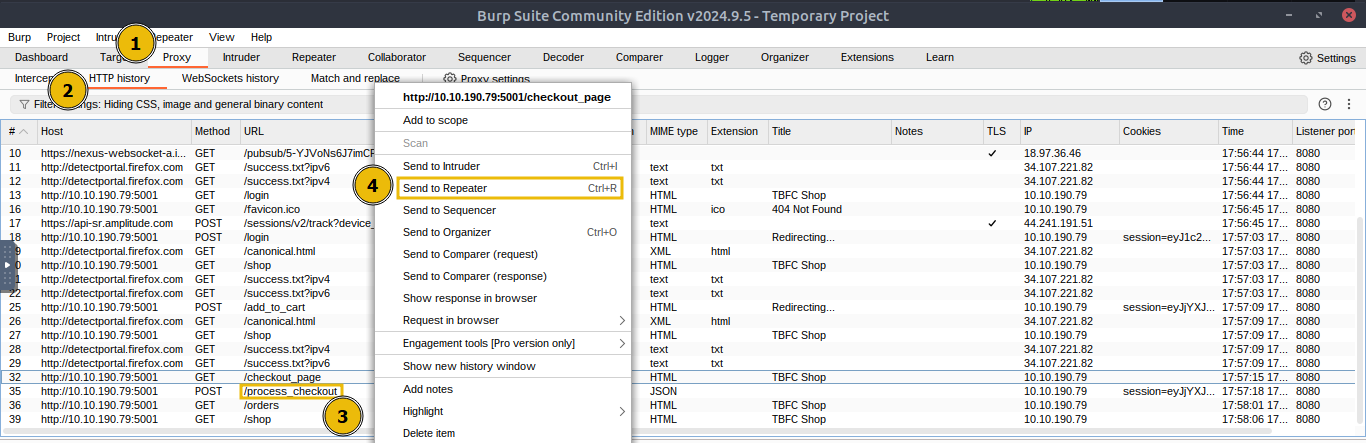
Now that we have made a legitimate request, navigate back to Burp Suite and click on Proxy > HTTP history and find the POST request to the /process_checkout endpoint created by our legitimate checkout request. Right-click that entry and choose Send to Repeater, which will copy the exact HTTP request (headers, cookies, body) into Burp’s Repeater tool as shown below:
Next, switch to the Repeater tab and confirm the request appears there, right-click on the first tab, select Add tab to group, and click on Create tab group.
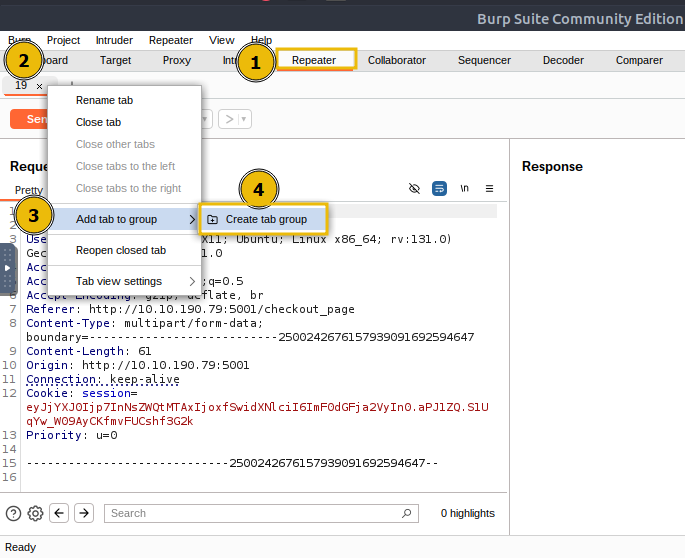
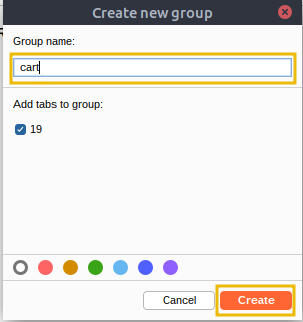
Enter a name for the tab group, such as cart, and click Create, which will create a tab group named cart.
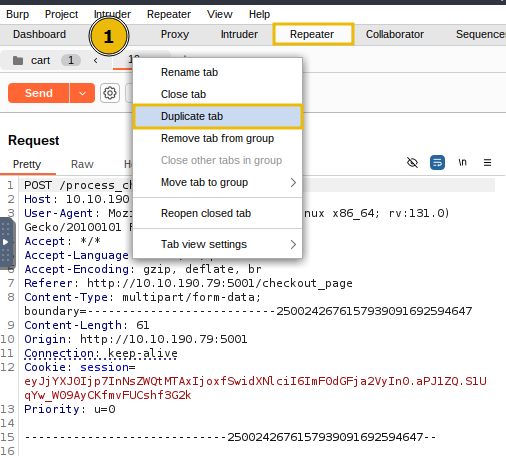
Then, right-click the request tab and select Duplicate tab. When prompted, enter the number of copies you want (for example, 15). You’ll now have that many identical request tabs inside the cart group.
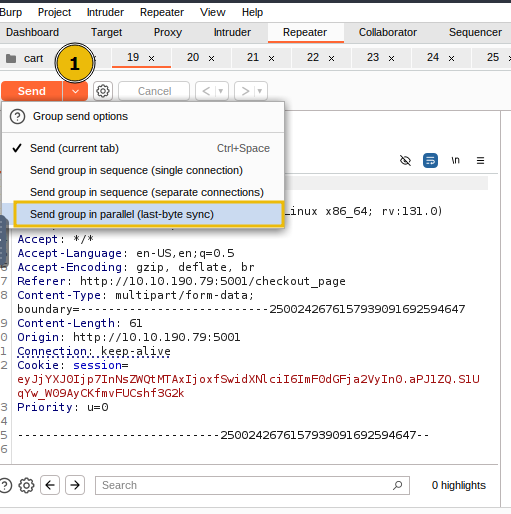
Next, use the Repeater toolbar Send dropdown menu and select Send group in parallel (last-byte sync), which launches all copies at once and waits for the final byte from each response, maximising the timing overlap to trigger race conditions.
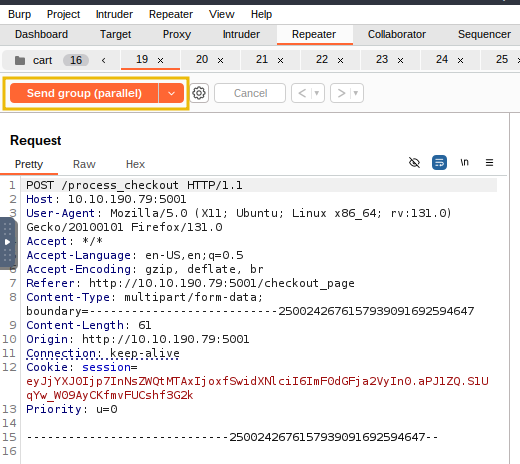
Once this is done, click Send group (parallel); this will launch all 15 requests to the server simultaneously. The server will attempt to handle them simultaneously, which will cause the timing bug to appear (due to multiple orders being processed at once).
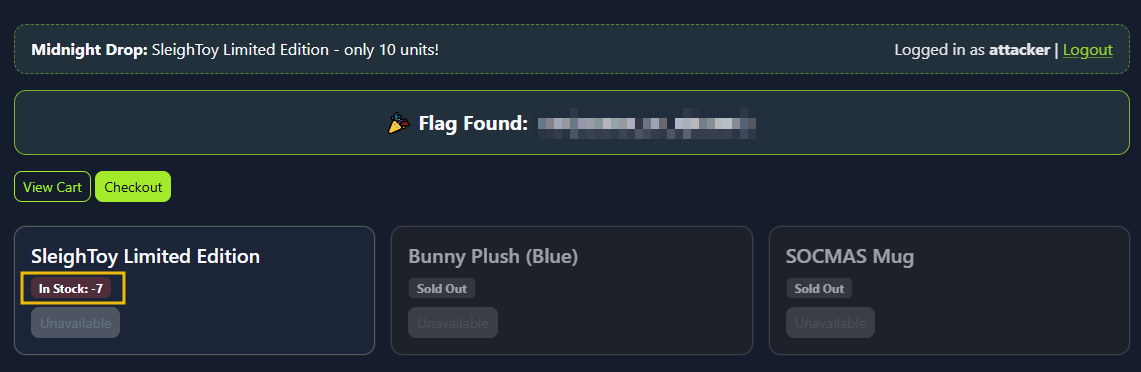
Finally, visit the web app, and you will see multiple confirmed orders and the SleighToy stock reduced (possibly going negative).
Mitigation
The attacker logged in and made a normal purchase of the limited SleighToy. Using Burp Suite, he captured the checkout request and sent it multiple times in parallel. Because the app didn’t handle simultaneous checkouts correctly, each request succeeded before the stock could update. This allowed the attacker to buy more toys than available, resulting in a race condition and pushing the stock into negative values. Here are a few mitigation measures to avoid the vulnerability:
- Use atomic database transactions so stock deduction and order creation execute as a single, consistent operation.
- Perform a final stock validation right before committing the transaction to prevent overselling.
- Implement idempotency keys for checkout requests to ensure duplicates aren’t processed multiple times.
- Apply rate limiting or concurrency controls to block rapid, repeated checkout attempts from the same user or session.
Understanding the “Race Window” is just the start. This post explores how this vulnerability manifests across different environment.
Walkthrough
Flag 1
Login using the provided credentials:
- Username: attacker
- Password: attacker@123
Add Item to Cart
- Add an item to the cart
- Navigate to:
/checkout_page
Intercept Checkout Request
- Open Burp Suite
- Enable Intercept
- Click Confirm and Pay
- Capture the request
1
2
3
4
5
6
7
8
9
10
11
POST /process_checkout HTTP/1.1
Host: 10.49.133.185
User-Agent: Mozilla/5.0 (X11; Linux x86_64; rv:140.0) Gecko/20100101 Firefox/140.0
Accept: */*
Accept-Language: en-US,en;q=0.5
Accept-Encoding: gzip, deflate, br
Referer: http://10.49.133.185/checkout_page
Content-Type: multipart/form-data; boundary=----geckoformboundary7dad42312b25aa062ab34d11967ead66
Content-Length: 59
Origin: http://10.49.133.185
Connection: keep-alive
Trigger the Race Condition
- Create a new group in repeater tab
- Right click on group tab > Duplicate (50 times)
- Select Send group in parallel
- Choose Last-byte sync
- Send all requests
- To retrieve second flag, repeat the same steps for the second product.
- The flag appears once stock becomes negative
Answer
Question 1
What is the flag value once the stocks are negative for SleighToy Limited Edition?
Answer
Question 2
Repeat the same steps as were done for ordering the SleighToy Limited Edition. What is the flag value once the stocks are negative for Bunny Plush (Blue)?